















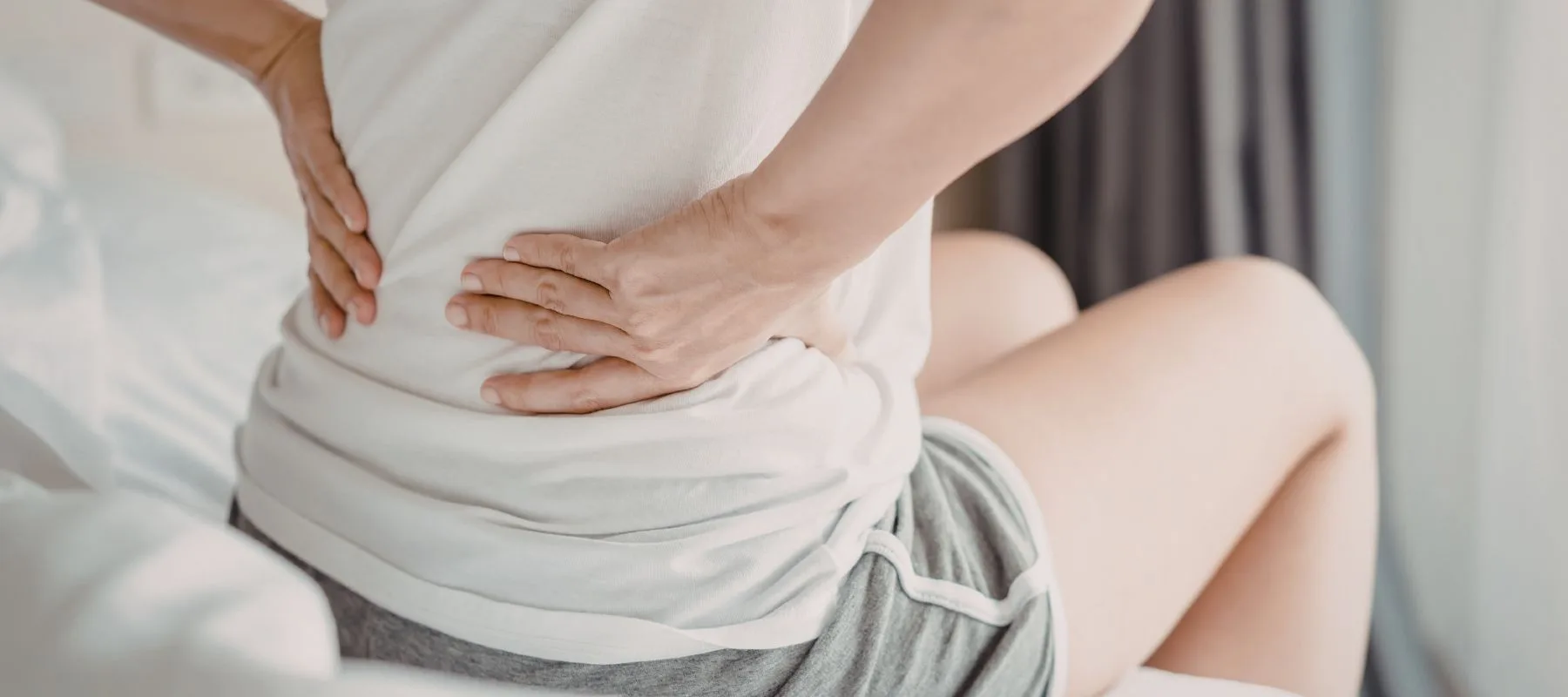
Understanding Why Lower Back Pain Happens
Lower back pain is one of the most common reasons people seek medical care. It can appear suddenly after a specific activity or gradually build over time without a clear cause. Many patients worry that pain means something serious has happened to the spine, but often it is related to how the body moves and responds to daily demands.
At Case Physical Therapy, clinicians frequently see patients who are dealing with back discomfort that began during ordinary routines. Sitting for long periods, lifting something awkwardly or returning to activity after time away can all place stress on the lower back. When the body is under strain, muscles and joints may react with tightness or irritation, which is often experienced as pain.
Understanding why back pain occurs is the first step toward finding a solution.
Common Reasons Your Lower Back May Hurt
The lower back supports much of the body’s weight and helps control movement during daily activities. Because of this role, it is exposed to constant mechanical stress. Pain often develops when tissues become overloaded or when movement patterns place more strain on one area than another.
Some of the most common reasons lower back pain develops include:
- Muscle strain after lifting, twisting or sudden movement
- Prolonged sitting, which can place steady pressure on the lower spine
- Limited mobility in nearby joints, especially the hips or mid-back
- Movement patterns that place uneven stress on the spine
These issues can make it feel as though the muscles in the back hurt or that something suddenly “went wrong,” even when the cause is related to how the body has been moving over time.
Why Pain Sometimes Appears On One Side
Patients often notice that discomfort develops on one side of the lower back rather than across the entire area. Pain on the lower left side of the back, for example, may be related to how the body distributes movement or weight.
Small differences in posture or muscle activation can gradually shift more stress onto one side of the spine. Over time, that side may become irritated while the opposite side feels normal. This pattern is especially common when someone favors one leg while standing, carries bags on the same shoulder or repeatedly twists in one direction during work or exercise.
While one-sided pain can feel concerning, it is often linked to muscle strain or movement imbalance rather than a serious structural issue.
When Lower Back Pain Should Be Evaluated
Many episodes of lower back pain improve within a short period as the body settles down and movement returns to normal. Gentle activity and gradual return to regular routines often help this process along.
However, there are situations when an evaluation can be helpful. Pain that continues for several weeks, discomfort that keeps returning or symptoms that interfere with everyday activity are all reasons to seek professional guidance. Persistent pain may indicate that the body is compensating in a way that continues to stress the same area.
How Physical Therapy Can Help
When someone asks, “Why is my lower back hurting?” the most useful answer often comes from looking at how the body moves rather than focusing only on the painful area.
Physical therapists evaluate movement patterns, muscle strength and how the spine works during everyday activities. This type of assessment helps identify the factors that may be contributing to ongoing discomfort.
At Case Physical Therapy, patients in Houston receive individualized care that focuses on restoring comfortable movement and reducing strain on the lower back. If you have questions about persistent back pain or want help understanding what might be causing your symptoms, contacting Case Physical Therapy is the next step.